Used Transmission Shopping: Five Checks That Separate a Deal From a Doorstop
A used transmission is one of those purchases that can look like a smart budget move right up until the unit is bolted in and the car will not move. For a DIY driver or a small shop, the difference between a good used unit and a very expensive paperweight usually comes down to five checks. None of them require a transmission dyno, but they do require you to slow down and look past the seller's optimistic description.
1. Read the Fluid Like a Receipt
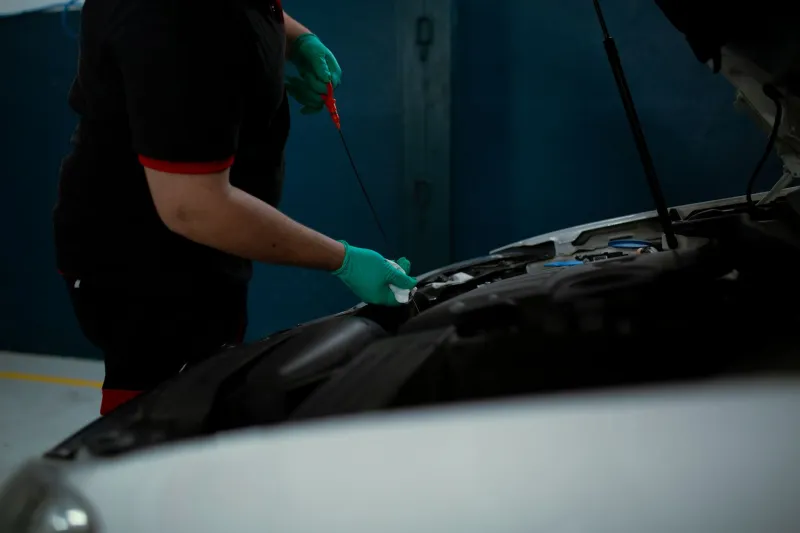
Pull the dipstick if the unit has one, or crack the drain plug and catch a sample. Clean, reddish fluid is a decent sign. Fluid that is black, burnt, or full of grit is a warning. Smell matters too; a sharp, burnt smell usually means heat and clutch material have been cooked into the oil.
Be suspicious if the seller just changed the fluid right before you arrived. Fresh fluid can hide a lot of sins, and a transmission that was slipping before a fluid change can still be slipping after it. Ask when the fluid was last changed and why. If the answer is vague, factor that into the price.
2. Drop the Pan or Ask for Photos
The pan is the transmission's diary. A little gray fuzz on the magnet is normal wear. A thick paste of clutch material, shiny metal flakes, bearing needles, or chunks of aluminum is a hard no. If the seller will not let you pull the pan, ask for clear photos of the pan and magnet before you commit. A yard that refuses a pan inspection on a premium unit is telling you something.
For a sealed unit without a dipstick, a drain-plug sample is still useful. Look at the fluid in a clear cup and let it settle. If it separates into sludge and glitter, walk away. Also look at the pan rail for fresh gasket sealer or signs that someone has been inside recently. A recent reseal is not automatically bad, but it does raise questions about why the unit was opened.
3. Check Converter Play and Hub Condition
The torque converter is half the unit, and it often gets separated from the transmission in a junkyard. Ask whether the converter came from the same vehicle and whether it was kept sealed. Look at the converter hub for scoring, cracks, and rust. Check the pilot hub and the bolt pads. If the converter has been sitting outside with the open side up, water and dirt may have found their way in.
Check converter end play by hand if you can. A little in-and-out movement is normal; excessive wobble or a hub that looks chewed up is not. If the seller cannot tell you which converter goes with the transmission, price the deal as if you need a replacement converter. That changes the math fast.
4. Inspect the Tailshaft, Mounts, and Case Ears
Look at the tailshaft splines for wear, twisted teeth, or a grooved seal surface. Check the output shaft for side play. A tailshaft that wobbles usually means the unit took a hit or ran with a bad bushing. Inspect the mounting bosses and case ears for cracks. Look for JB Weld, fresh paint over damage, or a cracked bellhousing. Those are the kinds of repairs that can turn a cheap used unit into a comeback.
Also check the electrical connectors and sensors. Broken solenoid plugs, missing speed sensors, or a damaged harness can add cost and hassle. If the unit is from a different model year, confirm that the connectors and sensor layout match your vehicle.
5. Match the VIN and Application, Not Just the Shape
Two transmissions can look identical and still be wrong for your car. Gear ratios, valve bodies, solenoid packs, torque converter stall, final drive compatibility, and computer programming can all vary by application. Ask for the donor VIN and decode it if possible. Check the tag or stamping on the case. If the seller only knows it came out of a similar model, that is not enough.
For front-wheel-drive units, confirm the final drive ratio and whether the unit matches your engine and emissions package. For rear-wheel-drive trucks and SUVs, verify the bellhousing pattern, output shaft type, and converter matching. A used unit that needs a different converter, harness, or valve body may not be the bargain it looked like in the yard.
Warranty Red Flags and Questions to Ask
Ask for the warranty in writing. A 30-day parts-only warranty is very different from a 90-day parts-and-labor warranty. Ask what happens if the unit fails, who pays for shipping, and whether the warranty is void if you install it yourself. Be wary of sellers who say it ran when pulled but cannot tell you the mileage, the donor vehicle, or why it was removed.
Ask whether the transmission was tested, whether it came from a running vehicle, and whether the converter is included. Get the VIN if you can. If the price is too good compared with every other unit in the area, assume there is a reason. A used transmission is still a gamble, but the five checks above stack the odds in your favor. When the numbers get close, compare the used unit against a reman with a real warranty. Sometimes the cheaper part is the one that keeps the car on the road.