Lockup Shudder, Not Slippage: A 4L60E TCC Diagnostic Walkthrough
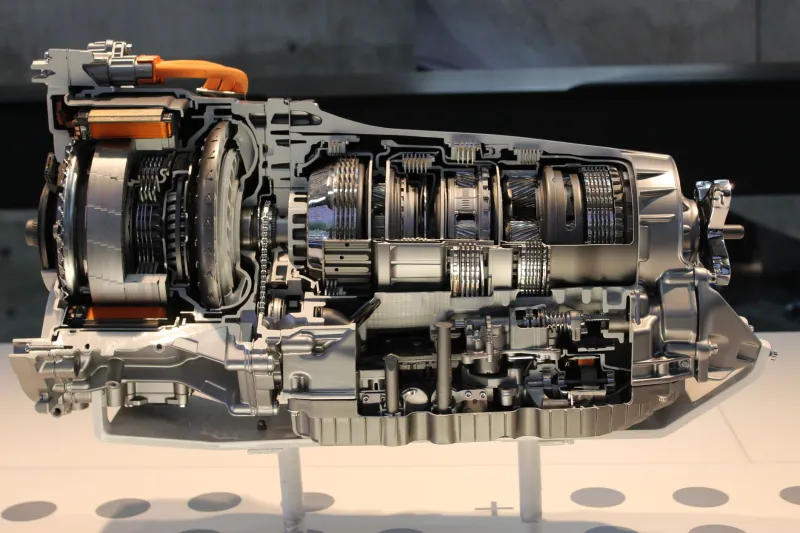
A customer rolls in with a 4L60E complaint that sounds expensive: the truck feels like it is slipping at steady highway speed, the tach jumps a little, and the whole cab shudders under light throttle. Before anyone quotes a rebuild, slow down. On the 4L60E, that story is often not a burnt forward clutch or a failed planetary set. It is the torque converter clutch, or TCC, doing a poor job of lockup.
The trick is separating a true internal slip from a lockup shudder. They can feel similar from the driver seat, but they leave very different clues on a scan tool and in the pan. This walkthrough is the one I would run before authorizing a bench build.
First, Separate Slip From Shudder
Ask the driver exactly when the symptom shows up. A classic TCC shudder appears at light-to-moderate throttle, usually in the 45-to-65 mph range, after the converter has been commanded to lock. It often feels like driving over a rumble strip or a rapid vibration. Tap the brake pedal and the TCC releases; if the shudder disappears instantly, that is a strong hint you are chasing lockup, not a slipping clutch pack.
A genuine internal slip usually shows up as rpm flare under load. The engine revs faster than the vehicle accelerates, and the condition may be worse in a particular gear or when hot. If the transmission slips in first and second but feels fine once locked, do not automatically blame the TCC. If it flares in third and fourth under load, you may have a real hydraulic or clutch problem.
How PWM Lockup Feels When It Goes Wrong
The 4L60E does not simply switch the converter clutch on and off like a light. The PCM pulses the TCC solenoid to apply the clutch smoothly. That pulse-width-modulated apply is great for fuel economy and drivability, but it also means a sticky solenoid, a worn valve body bore, or contaminated fluid can cause a chattery, surgey apply. The clutch lining itself can also glaze or wear, which changes friction behavior and creates shudder under light load.
Do not forget the engine side. A misfire at light throttle can feel exactly like a TCC shudder. So can a failing ignition coil, a dirty mass airflow sensor, or worn engine mounts. Rule out the engine before you drop the pan. A scan tool with live misfire counters is your friend here.
Scan-Tool Clues Before You Drop the Pan
Pull live data and watch TCC commanded state, TCC duty cycle, slip speed, throttle position, vehicle speed, gear, and brake switch status. You want to know whether the PCM is actually commanding lockup when the shudder happens. If the PCM commands lockup and the slip speed stays high, the clutch is not holding. If duty cycle is jumping around erratically, the solenoid or its circuit deserves a hard look.
Check the brake switch signal too. A misadjusted brake pedal switch can command the TCC off at the wrong time or keep it from applying. Also compare engine rpm to transmission input speed if your tool supports it. A few rpm of slip during PWM apply can be normal; a large, steady slip number under lockup command is not.
The Pan and Solenoid Inspection
If the scan data points to TCC, the pan still needs a look. Fluid that is dark and burnt, a magnet loaded with clutch mud, or metallic glitter tells you this may be more than a solenoid. A little gray fuzz on the magnet is normal. Chunks, bearing material, or a thick paste of clutch friction material are not.
The TCC solenoid itself has a screen and a small hydraulic circuit. A clogged screen or a sticking solenoid can cause harsh apply, no lockup, or shudder. On a high-mileage 4L60E, the valve body and TCC regulator valve are also suspects. Wear in that bore can leak apply pressure and make the clutch chatter even with a new solenoid. If the pan is clean and the fluid is not burnt, a solenoid, filter, and fluid service may be a reasonable first move. If the pan tells a ugly story, a rebuild or reman unit moves up the list.
Converter Clutch Material and Hydraulic Wear
The converter clutch lining is a friction material, and it does wear. When it glazes or gets contaminated, it can shudder during the PWM apply. Fresh fluid sometimes improves the symptom, but it is not a cure for a worn lining or a leaking hydraulic circuit. Avoid pouring in a shudder-fix additive and calling it done. If the lining is gone, no bottle will bring it back.
This is also where the 4L60E's reputation for valve body wear matters. The TCC apply circuit has to hold pressure smoothly. If the bore is worn, the clutch may grab and release rapidly, which the driver feels as a shudder. A rebuilt valve body or an upgraded unit can be the right fix if the hard parts are healthy.
The Parts-and-Labor Decision Tree
Here is the practical order I would use. First, verify the engine is not misfiring and the brake switch is working. Second, confirm with scan data that the shudder happens during TCC apply and that slip speed is excessive. Third, inspect fluid and pan contents. If the pan is clean and the fluid is serviceable, replace the TCC solenoid, filter, and fluid, and inspect the valve body. Clear the adaptations if your tool allows it and road-test.
If the shudder remains after a verified solenoid and fluid service, or if the pan shows clutch material or metal, stop chasing the solenoid. That is converter or internal transmission territory. A reman converter and a rebuild may be the honest answer. The goal is simple: do not sell a rebuild for a solenoid complaint, but do not sell a solenoid for a converter that is already shedding lining material. At Makco Transmission Parts, that is the kind of parts-and-labor call we want drivers and shops to make with data, not guesswork.