Before the Wrench Comes the Wheel: A Ten-Minute Diagnostic Drive for High-Mileage Automatics

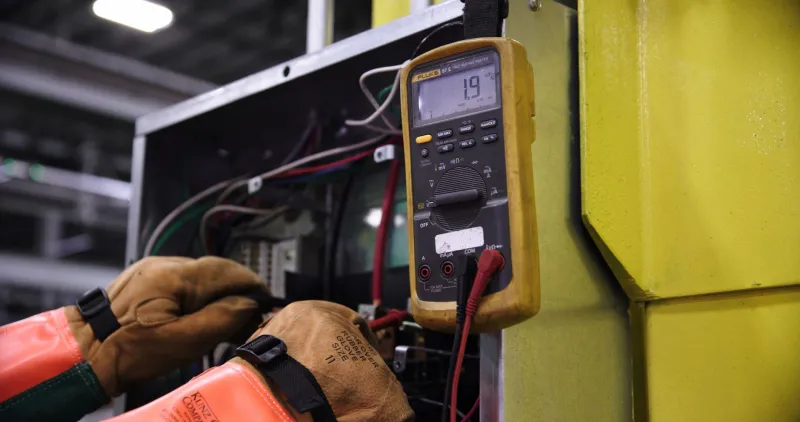
Photo by Photo by ThisisEngineering on Unsplash on Unsplash
Pulling the pan is a commitment. You drain fluid, break the seal, and suddenly you are in for a filter, a gasket, and a closer look at whatever the magnet has collected. Before you get there, the cheapest diagnostic tool in the shop is already parked outside: the vehicle itself. A structured road test will not tell you every internal secret, but it will expose flare, harsh engagement, converter clutch shudder, delayed reverse, and gear hunting while the transmission is still together and the fluid is still inside.
At Makco Transmission Parts, we like a repeatable loop because repeatability is what turns a hunch into a parts order. Ten minutes, same route, same throttle habits, notes on a clipboard or phone. Here is the loop we use as a pre-tear-down baseline.
Set the Stage Before You Turn the Key
Start with a quick walk-around. Tire pressures matter because unequal tires can mimic gear hunting or pull. Check fluid level if the unit has a dipstick, and note the condition and smell. If it is a sealed unit, skip the level check for now and focus on the test. Plug in a scan tool if you have one, but do not let codes drive the whole story. Set the tool to monitor engine rpm, vehicle speed, throttle position, and transmission fluid temperature if available. A cold start is part of the test, so do not warm the vehicle for twenty minutes first. You want the first engagement to happen while the fluid is still thick.
Pick a route with a flat stretch, a gentle hill, and a place to coast down safely. Avoid heavy traffic. You are not trying to prove anything to the driver in the right lane.
Segment One: Cold Start and First Engagement
Start the engine, let idle settle for a few seconds, then shift from park to reverse. Count the delay in your head. A brief pause is normal on many high-mileage units; a two-second wait followed by a hard slam is not. Then go to drive and feel the engagement. A soft, mushy engagement can point toward low line pressure, tired seals, or a filter that is not flowing well. A harsh engagement can point toward a sticky valve body, high line pressure, or a worn accumulator. Note whether the symptom changes when the unit is hot later in the loop. Cold-only harshness often lives in the pressure control side; hot-only slippage often points toward seals or clutch clearance.
Segment Two: The Brief Brake-Torque Check
Find a clear, flat spot. Hold the brake firmly, shift into drive, and open the throttle just enough to load the converter for no more than five seconds. Watch engine rpm and feel for shudder or a strange surge. This is not a stall test, and you should not repeat it back-to-back on a weak transmission. A low stall reading can suggest an engine or converter issue; an unusually high reading can suggest converter or clutch slip. If the unit shudders or makes noise, abort the check and note it. Brake-torque is a stress test, so treat it with respect.
Segment Three: Light-Throttle Upshifts
Accelerate at about fifteen to twenty-five percent throttle. You want to feel each upshift, not blast through them. Pay attention to the 1-2, 2-3, and 3-4 shifts. Flare—where rpm rises before the gear engages—is the classic sign of clutch wear, low line pressure, or a solenoid that is not controlling apply pressure. A harsh shift can point toward a sticking valve, a failed accumulator, or a tune that is too aggressive. A slide or neutral feeling between gears can point toward a valve body issue or a worn band. If the unit skips a gear or hunts between two gears at steady throttle, note the speed and throttle position. That detail matters when you compare against a pressure chart or a solenoid apply chart.
Segment Four: Lockup Cruise and Shudder
Get to a steady forty-five to fifty-five miles per hour and hold light throttle. Let the converter clutch apply. A shudder that feels like a rumble strip is not the same as a slip. It often shows up as a low-frequency vibration at light throttle and disappears when you lift or press harder. Note whether it happens only when hot. TCC shudder can come from fluid breakdown, a worn converter clutch lining, a sticky lockup solenoid, or contaminated fluid. If the shudder goes away when you tap the brake and unlock the converter, you have narrowed the field. Do not ignore it; a shudder that stays around can turn into a converter or pump problem.
Segment Five: Coastdown Downshifts
From about forty-five miles per hour, lift off the throttle and let the vehicle coast down through the gears. Feel the 4-3 and 3-2 downshifts. A clunk or harsh downshift can point toward an accumulator problem, a sticky valve body, or worn mounts—but since you are already diagnosing the transmission, note whether the noise changes with throttle. A delayed downshift that hangs in gear can point toward a solenoid or valve body issue. Repeat the coastdown once to see if it is consistent. One-time weirdness is a data point; repeatable weirdness is a pattern.
Segment Six: Manual Range and Reverse
Stop, then select manual low or first gear. Accelerate gently. The unit should hold first gear without upshifting. If it upshifts anyway, you have a range signal or valve body problem. Try second gear if the unit allows it. Then check reverse again after the unit is hot. A reverse delay that was not there cold can point toward a leaking reverse servo, worn seals, or low pressure. A reverse slam when hot can point toward high pressure or a sticky valve. Note the difference; hot versus cold is one of the most useful comparisons you can make.
Write It Down, Then Compare
A road test without notes is just a drive. Write down the delay in seconds, the speed and throttle at each symptom, and whether the unit was cold or hot. If you have scan tool data, save a short recording of the event. Compare the cold loop to the hot loop. A transmission that behaves differently when hot is telling you something about clearances, seals, or pressure control. That is the kind of clue that helps you decide between a solenoid, a valve body kit, and a rebuild.
When to Abort the Test
Stop if you see slipping that lets engine rpm climb without vehicle speed, a burning smell, a fluid leak, or a noise that sounds like metal. A road test is diagnostic, not destructive. If the unit cannot complete the loop safely, park it and move to a pressure test or a pan inspection. The goal is information, not a tow bill.
The road test does not replace a line-pressure gauge or a scan tool, but it tells you where to point them. Ten minutes behind the wheel can save an hour of guessing—and maybe a pan gasket you did not need to break.