The Core Comes Home: A 2026 Walkthrough for Getting Your Transmission Deposit Back in Full
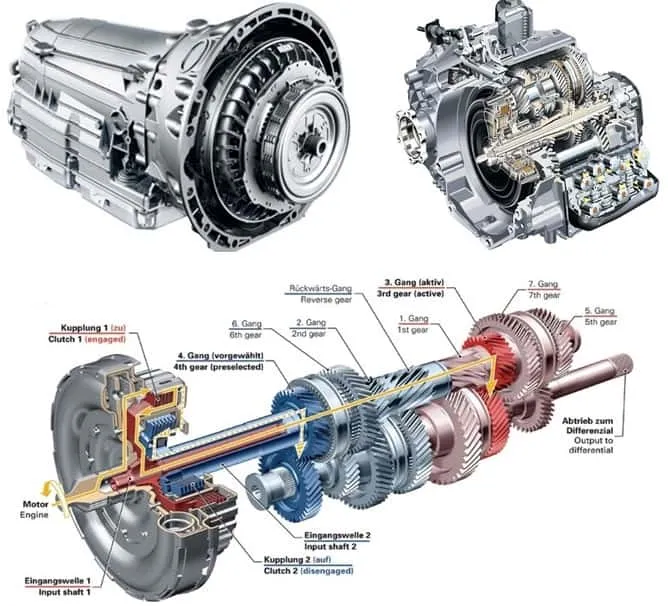
Photo: transmission core return shipping crate mechanic shop pallet, via learnmech.com
You paid for a reman 6L80 and the invoice has a line item that stings: core charge, $600. Maybe $900 if it is a Duramax unit. That number is not a tax on being a transmission owner. It is a deposit, and like any deposit, you only lose it when the return does not hold up to inspection. Most forfeited cores do not fail because the part was junk. They fail on a technicality somebody could have handled in ten minutes with a camera and a roll of caps.
This is the routine. Run it the day the new unit arrives, not the day before the return window closes.
The core charge is a loan, not a tax
A rebuilder pays real money for a used case, a rebuildable valve body, a converter core. The deposit exists because that used unit has value to them and they cannot trust it to show up otherwise. Read the paperwork that came in the box: return window, whether shipping is prepaid, what condition voids the credit. Every rebuilder writes it down. Almost nobody reads it until the refund is missing.
Two numbers matter more than anything else on that sheet. The return authorization number, and the expiration date. Get both on your calendar the day the crate lands.
Start with the paperwork before you touch the box
Open the shipment and find the RA paperwork first. Photograph it. If the RA came by email, forward it to the shop account and print a copy for the bay.
- RA number goes on the outside of the return box, in marker, big enough to read from a forklift.
- Original invoice number goes inside, on a paper copy you keep.
- Return window gets written on the whiteboard, not remembered.
If the rebuilder offers prepaid freight, use their label. If you buy your own, get a tracking number and keep a screenshot. A core that arrives without an RA is a core that sits in a receiving cage while the clock runs out.
Photograph the core like you are documenting a crime scene
This is where most people leave money on the table. Before the old unit goes into the crate, get a clean set of pictures.
- The casting number and tag. Bellhousing face, case side, and the ID tag if it survived. The rebuilder matches cores against the RA. A mismatched casting number reads as a wrong part and gets refused.
- Every connector and sensor port. Solenoid pack plug, speed sensor bosses, range sensor, cooler line stubs. Broken connector shells are the single most common reason for a partial credit.
- The pan rail and the case ears. Cracks and broken mounting ears cannot be hidden by a shipping label.
- The torque converter hub and pilot. If the converter goes back with the core, shoot the hub, the pilot, and the weld seam.
Timestamps on phone photos do more for you in a dispute than any phone call. Keep them until the credit posts.
Drain it, cap it, and stop shipping a fluid bomb
A core that arrives leaking ATF in a cardboard box is a core the receiving dock rejects on sight. It is also a hazmat problem that can cost you the freight.
Drain the fluid into a clean pan and dispose of it properly — most county recycling centers take it, and AutoZone and O'Reilly locations still collect it in most markets. Let the unit sit and drip for a while. Then:
- Plug the cooler line fittings. Plastic shipping caps or a wrapped bolt with tape works.
- Cap the vent and the dipstick tube if it is a unit that has one.
- Bag the converter separately if the rebuilder asks for it bagged. Follow their spec, not your preference.
- Wipe the outside down. A core that looks cared for gets the benefit of the doubt on a borderline inspection.
Do not pressure wash the case. Water in a valve body is worse than a little grime, and some rebuilders will reject a pressure-washed core outright because they cannot tell what got forced into the passages.
Send the parts they asked for, and only those
Checklist items vary by program. Some want the converter. Some want the valve body only if it is original. Some want the pan and filter, some do not.
What trips people up is sending extra. A core with a random aftermarket solenoid pack bolted to it can read as a mismatched assembly. Send exactly what the RA lists. If the old unit had a cracked pan, mention it in the notes and photograph it. Honest documentation beats a surprise.
Crate it like it has to survive a sorting hub
Rebuilders ship cores back and forth all day. Those boxes get stacked, dropped, and tipped. A case that was fine on your bench can lose a bellhousing ear in transit and turn a full credit into a partial.
- Use the crate the new unit arrived in when you can. It was designed for the job.
- Strap the unit down so it cannot shift. Ratchet straps through the case, not around the pan rail.
- Pad the converter separately. A loose converter in a crate is a wrecking ball.
- Tape the RA paperwork to the inside of the lid in a zip bag. Receiving docks lose loose paper.
The part where people actually lose the money
When a credit gets denied, the reason is almost never mysterious:
- Late return. The window closed while the core sat on a shelf.
- No RA number on the box. It got logged as an unidentified core.
- Wrong casting or wrong unit. Sent back a different transmission than the one the RA covers.
- Broken connectors or cracked case not disclosed. Reads as damage in transit, and the rebuilder is not obligated to eat it.
- Fluid leak in transit. Freight damage plus hazmat equals a partial credit at best.
Every one of those is preventable with a marker, a camera, and a calendar entry.
Close the loop
Track the shipment. When it delivers, give it three business days, then call with the RA number and ask for a status on the credit. If there is a dispute, your photos and the signed paperwork are your case. Keep them until the credit shows on the statement, then keep them another 90 days.
A core charge is real money on the invoice. Treat the return like a job with a deadline and a paper trail, and it comes back to you. Treat it like an afterthought and you have effectively bought a used transmission you will never see again.